

How to Use Anti-Aging Serum for Best Results | Expert Dermatologist-Approved Routine
You’ve finally found an anti-aging serum that promises to firm, smooth, and brighten your skin — but have you ever wondered how much difference the application technique makes?
According to dermatological studies published in journals like Clinical, Cosmetic and Investigational Dermatology and Dermatologic Therapy, the way you apply your serum is just as important as the formula itself. The right technique can enhance penetration, improve absorption, and even double visible results.
Introduction: More Than Just a Serum — It’s a Science
Let’s walk through a complete, dermatologist-approved method to use your anti-aging serum correctly so you can unlock its full potential for youthful, radiant skin.
Step 1: Begin with a Clean, Fresh Canvas
Before anything else, cleanse your skin thoroughly. Serums are designed with small molecular structures that penetrate deep into the skin layers, and they can’t do that if your pores are blocked by oil or impurities.
A 2012 study in Dermato-Endocrinology found that cleansed skin has significantly better barrier permeability, allowing active ingredients to work more effectively.
Use a gentle, pH-balanced cleanser like NK Botanica’s CLARÉA Water Gel Cleanser, formulated with hyaluronic acid and licorice extract to hydrate and purify without stripping moisture. After cleansing, pat your face with a soft towel until it’s slightly damp — not completely dry. Moisture helps actives like hyaluronic acid and peptides absorb better into your skin.
Step 2: Use the Right Amount — Less Is More
Many people make the mistake of overusing serum, thinking it’ll speed up results. In truth, most serums are highly concentrated, and a small amount goes a long way.
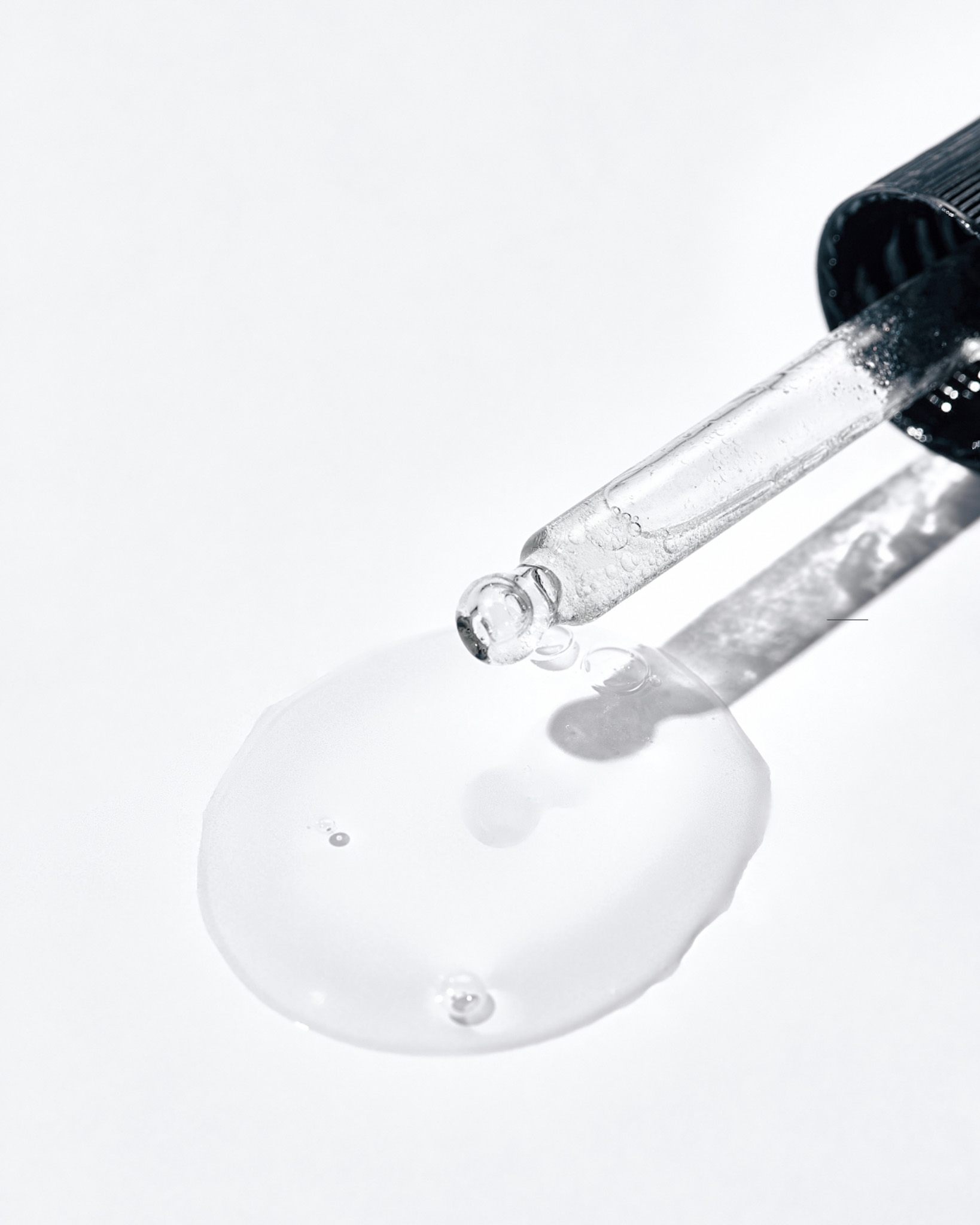
A pea-sized drop is usually enough for your entire face, and an additional half-pea can be applied to your neck. Warm it slightly between your palms, then press it gently onto your face — don’t rub. Pressing allows deeper absorption and reduces friction, especially for sensitive or mature skin.
Think of your serum as an investment — use it smartly, not excessively.
Step 3: Follow the Correct Layering Order
How you layer your skincare products determines how well your serum performs. The American Academy of Dermatology recommends applying products from thinnest to thickest consistency. Here’s the golden rule:
Start with your cleanser, then apply toner or essence (if you use one), followed by your anti-aging serum, then moisturizer, and finally sunscreen in the morning.
If you’re using multiple serums, always apply water-based serums first — such as those with vitamin C, niacinamide, or hyaluronic acid — and then move to oil-based or occlusive serums like those with retinol or peptides. This order ensures every active ingredient is absorbed without being blocked by heavier formulations.
Layering correctly is like giving each ingredient its turn to shine.
Step 4: Know the Perfect Time to Apply
Timing plays a crucial role in getting the best results. Morning and night serums serve different purposes, and your skin behaves differently throughout the day.
During the daytime, your focus should be on protection. This is when antioxidants like vitamin C, niacinamide, and peptides work best. They protect the skin from oxidative stress, pollution, and UV-induced damage.
At night, the goal shifts to repair. Ingredients such as retinol, bakuchiol, and growth factors help accelerate cell turnover, improve texture, and boost collagen synthesis.
According to a 2020 study in Dermatologic Therapy, consistent nighttime application of retinoid-based serums for 8–12 weeks significantly improved skin elasticity and reduced fine lines. So, patience and consistency truly pay off.
If you’re new to retinol, start with three nights a week and gradually increase the frequency as your skin builds tolerance.
Step 5: Seal It All In with a Moisturizer
Once your serum is fully absorbed, it’s time to lock in the actives. Serums deliver concentrated ingredients deep into the skin, but moisturizers help seal that hydration and prevent water loss.
Choose a lightweight, hydrating cream like NK Botanica’s Vitamin K Glow Cream, enriched with hyaluronic acid, niacinamide, and vitamin K. This not only enhances the plumping effect of your serum but also brightens dull, tired skin.
This step is especially important if your serum contains active ingredients like retinol, which can sometimes cause dryness. A nourishing moisturizer will help balance your skin barrier and maintain a dewy, healthy finish.
Step 6: Never Skip Sunscreen in the Morning
This is non-negotiable. Even the best anti-aging serum can’t work effectively if your skin is constantly exposed to UV radiation. A study published in Photodermatology, Photoimmunology & Photomedicine highlights that up to 90% of visible skin aging is due to sun exposure.
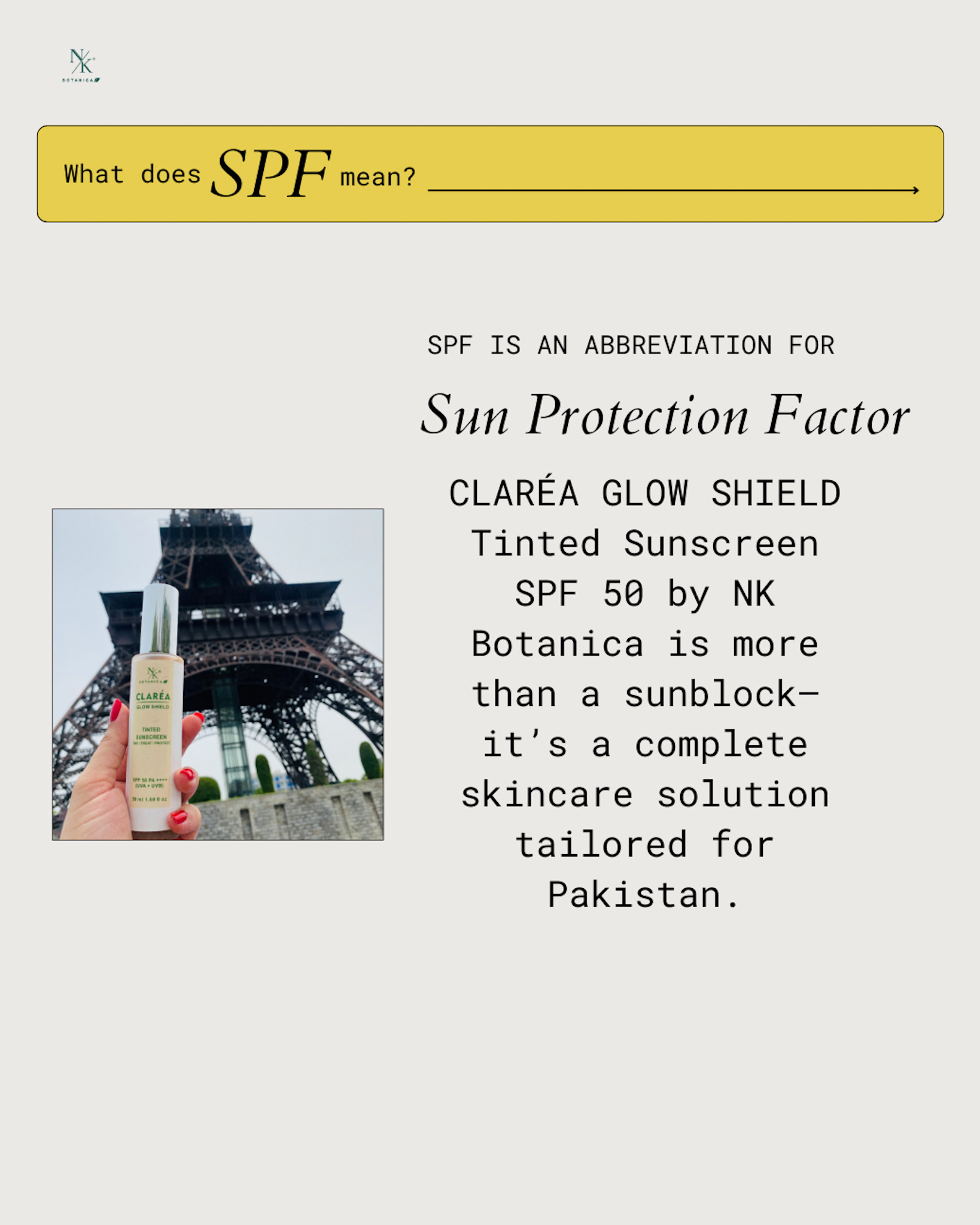
Always apply a broad-spectrum sunscreen with at least SPF 50 during the day. For an added glow and even coverage, try NK Botanica’s CLARÉA Glow Shield Tinted Sunscreen, infused with aloe vera,arbutin and niacinamide. It not only protects your skin but also complements your serum routine beautifully.
Common Mistakes That Sabotage Serum Results
The Science Behind Why Serums Work
Unlike creams or lotions, serums are formulated with smaller molecules and higher concentrations of active ingredients, which penetrate more deeply into the dermis.
That’s why dermatologists recommend adding a serum to your daily skincare routine — it’s the most efficient way to deliver potent, targeted ingredients like retinol, peptides, vitamin C, and hyaluronic acid directly where your skin needs them most.
FAQs: Your Serum Questions Answered
1. Can I use multiple serums at once?
Yes, but layer them correctly. Apply water-based serums (like vitamin C or niacinamide) first and finish with thicker, oil-based or retinol serums. Avoid layering actives that can irritate when mixed.
2. Should I use my anti-aging serum daily?
Absolutely. Consistency is the key to visible improvement. Apply antioxidant serums in the morning and retinoid-based ones at night.
3. What should I do if my skin gets irritated?
Reduce the frequency and buffer the serum with a gentle moisturizer. Avoid harsh exfoliants on the same days you use strong actives.
4. When should I start using an anti-aging serum?
Dermatologists recommend starting in your mid-20s to build collagen resilience early and prevent premature aging.
5. Can I apply my serum around the eyes?
Use with caution. Stick to gentle, hydrating serums or switch to a dedicated eye cream like NK Botanica’s Vitamin K Glow Cream, which helps brighten dark circles and smooth fine lines.
Final Thoughts:
Using an anti-aging serum the right way is not about complicated routines or miracle claims — it’s about science, patience, and consistency.
When you cleanse properly, apply the correct amount, layer smartly, and protect your skin daily, your serum can truly transform your complexion.
So take those few extra seconds each day to apply it correctly. Over time, you’ll notice what every skin expert already knows — healthy, youthful skin is built drop by drop.
For Personalized Product suggestion use "Ask a Derm".
"Youthful skin isn’t a gift of time — it’s the reward of consistency, science, and self-care. "

Learn the correct way to apply anti-aging serum for maximum results. Discover dermatologist-backed layering tips, morning vs. night application, and skincare secrets for youthful, glowing skin.